


On-demand session: TCPA compliance for utilities: From rules to readiness
The January 2027 TCPA opt-out changes are fast approaching, and understanding the rules is only the first step. In this…
Discover how Convey solves problems and fulfills needs.

Message Broadcast rebrands as Convey, marking a
Read More
Message Broadcast rebrands as Convey, marking a
Read More

For many utilities, serving customers means serving neighbors, friends, and family members. The relationship between the utility and the community is personal, visible, and built over time. When communication works, it strengthens trust. When it does not, the impact is felt immediately across the community and inside utility operations.
Today’s utilities are navigating more frequent weather events, rising affordability concerns, and increasing regulatory pressure, often with lean teams and limited room for error. When customers lack timely information, they call. When call volumes spike, crews and dispatchers are pulled away from restoration and response work. Communication quickly becomes an operational issue, not just a customer experience challenge.
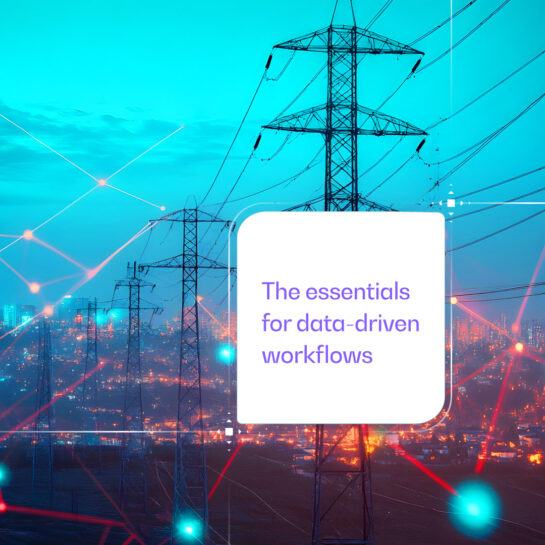
That is why data-driven messaging workflows have become essential. By replacing reactive, one-off messages with coordinated, data-aware communication journeys, utilities can keep members informed, reduce strain on internal teams, and maintain trust during moments that matter most.
Within any service territory, community members have different needs, preferences, and circumstances. Some may be enrolled in assistance programs. Others may have seasonal usage patterns. Some rely on text messages, while others prefer voice or email. Consent status also varies across channels and message types.
Intelligent utility messaging takes all of this into account before communication is sent.
At its core, intelligent communication understands customer context such as location, usage patterns, and program eligibility. It references current consent status and regulatory requirements. It also respects channel preferences so messages reach customers where they are most likely to engage.
This approach helps utilities communicate in a way that feels personal and respectful. Messages are tailored to each customer’s situation, aligned with their permissions, and delivered through trusted channels. For community-focused utilities, this level of care reinforces the human connection behind every message.
ConveyIQ Essentials moves beyond generic, one-for-all messaging by linking operational and customer data, triggers, and outcomes into unified workflows. Using AI-powered intelligence combined with the knowledge that utility teams have gained over the years, ConveyIQ Essentials is more than just a communication tool, it is a way to reach your community members when they need it most in the channel that they prefer.
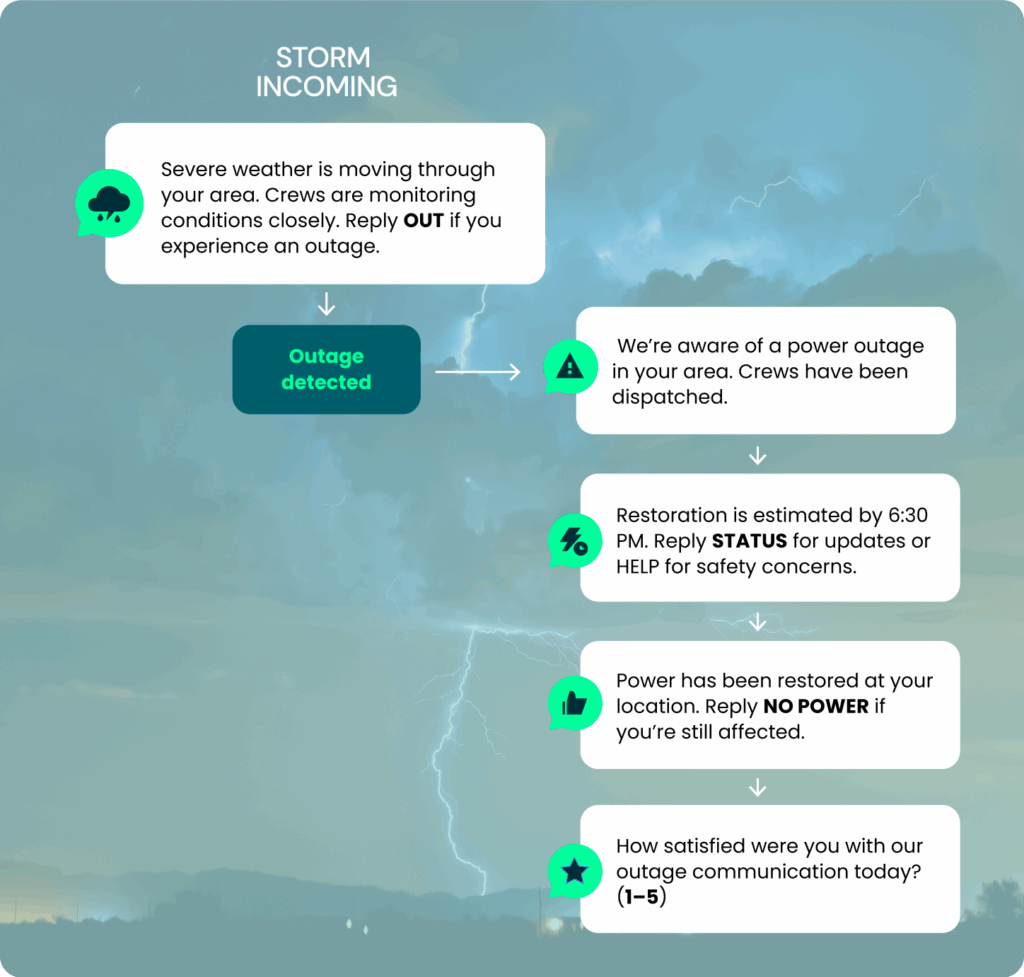
Intelligent workflows connect events such as high-usage, storms, or new rates directly into timely alerts, guidance, and follow-up journeys instead of isolated blasts. With both pre-built and customizable templates, ConveyIQ Essentials workflows are simple, quick to deploy, and backed by nearly 30 years of utility industry usage.

ConveyIQ Essentials includes pre-built, compliant workflows designed around the moments utilities manage every day. These workflows support outage updates, billing notifications, high bill education, affordability outreach, and demand response programs.
For teams with limited time and resources, starting with proven workflows reduces manual effort and risk. Outage messages keep members informed as restoration progresses. High bill alerts provide context before frustration sets in. Payment assistance outreach connects eligible members to help without requiring staff to manually identify and contact them.
These workflows support both everyday operations and high-pressure events, helping utilities communicate consistently even when teams are stretched thin.
Many utilities need solutions that fit their scale and staffing realities. ConveyIQ Essentials is designed to deliver advanced automation and targeting without requiring large IT teams or custom development.
Deployment typically takes only three to four weeks and integrates easily into existing systems. Workflows are configured through intuitive tools rather than built through code. Utilities can start with a few high-impact journeys and expand over time as needs evolve.
This approach allows teams to modernize communication at a pace that aligns with their operational capacity.
Understand ConveyIQ Essentials
When data and communication are connected, utilities can reach members before issues escalate. Proactive alerts help explain high usage trends early. Educational messages guide members toward energy-saving actions or available programs. Expectations are set clearly before confusion leads to calls.
This proactive outreach supports better member understanding and reduces reactive workload for utility teams.
Utilities that communicate proactively see measurable improvements across operations. Timely updates reduce inbound calls related to outages, billing questions, and general uncertainty.
Utilities using proactive SMS during outages report up to a 90 percent reduction in call volume. When members know what is happening, they do not need to call. When dispatchers and customer service teams are not overwhelmed, restoration efforts move faster. Faster communication supports faster restoration.
Customer satisfaction improves as well. According to JD Power and Convey customer track records, utilities with proactive communication experience satisfaction increases of up to 31 points during outages. Members feel informed, respected, and connected.
Regulatory expectations continue to grow, particularly around automated outbound messaging. For many utilities, compliance must be handled carefully without adding operational burden.
TCPA consent revocation is top of mind for utilities as regulations continue to shift. Non-compliant systems can expose utilities to more than $4.8 million per violation.
ConveyIQ Essentials references revocation signals before each message is sent. This intelligence allows utilities to communicate quickly while reducing regulatory risk.
Consent revocations and message categorization are handled directly within workflows. Customer stop signals are captured and honored consistently. Message types such as informational, emergency, demand response, or marketing are identified and managed appropriately.
This reduces manual review and helps utilities keep communication aligned with evolving TCPA expectations.
ConveyIQ Essentials acts as a strategic engagement layer that helps utilities shift from reactive messaging to intelligent, compliant, and member-centered communication across the entire journey.
Better timing, clearer messaging, safer compliance, and more efficient operations come from treating data-driven messaging as essential infrastructure. Most importantly, this approach preserves what matters most: strong relationships between utilities and the communities they serve.
A practical starting point is a messaging audit. Identify where data exists today, where communication relies on manual steps, and where workflows could automate high-impact moments.
Common early wins include high bill alerts, outage updates, and payment assistance outreach. These workflows demonstrate immediate value for both members and internal teams, building momentum for continued improvement.
For utilities rooted in their communities, data-driven messaging offers a way to modernize communication without losing the human connection that defines their service.
What does “data-driven messaging” mean for a utility?
Data-driven messaging means using operational and customer data to guide when, how, and to whom messages are sent. Instead of one-off broadcasts, utilities use workflows that respond to real events like outages, high usage, or program eligibility, delivering timely and relevant communication to each customer or member.
How is intelligent utility messaging different from traditional utility messaging?
Traditional broadcast tools send the same message to everyone at the same time. Intelligent messaging takes customer context, consent status, and channel preferences into account before sending communication. This results in messages that feel more personal, reach members through trusted channels, and reduce unnecessary outreach.
Why is proactive communication so important for utilities today?
When members do not have timely information, they call. During storms, billing cycles, or high-usage periods, this can overwhelm call centers and pull teams away from critical work. Proactive communication reduces uncertainty, lowers call volume, and allows crews and customer service teams to focus on restoration and support.
What types of utility moments does ConveyIQ Essentials support?
ConveyIQ Essentials includes pre-built workflows for everyday and high-pressure moments, including outage updates, billing notifications, high bill education, payment assistance outreach, demand response programs, and rate or usage communications.
How long does it take to get started with ConveyIQ Essentials?
Most utilities are able to deploy ConveyIQ Essentials in three to four weeks. The platform integrates with existing systems and uses configuration tools rather than custom code, allowing teams to launch quickly and expand workflows over time.
How does ConveyIQ Essentials help reduce call center volume?
By sending timely updates and educational messages before confusion sets in, utilities can significantly reduce inbound calls. Proactive outage updates, high bill alerts, and status notifications help members understand what is happening without needing to call for answers.
How does ConveyIQ Essentials handle TCPA compliance?
ConveyIQ Essentials embeds consent management directly into every workflow. It references consent and revocation signals before each message is sent, helping utilities communicate confidently while reducing regulatory risk.
How does data-driven messaging support community-focused utilities?
By delivering timely, respectful, and relevant communication, data-driven messaging helps utilities modernize without losing the human connection. Members feel seen and informed, and utilities strengthen the trust that defines their relationship with the community.
Read other insights and news from the Convey team.
The January 2027 TCPA opt-out changes are fast approaching, and understanding the rules is only the first step. In this…
People are facing higher, less predictable utility bills due to extreme weather, shifting usage habits driven by the increasing use…
As energy costs fluctuate and customer expectations rise, utilities are under increasing pressure to deliver predictable bills, proactive communication, and…
Loading...