

How California avoided rolling blackouts with outage communications

By Convey News
August 21, 2022 6 min read
Share this post
convey case study header outage management california utilities
case study icon

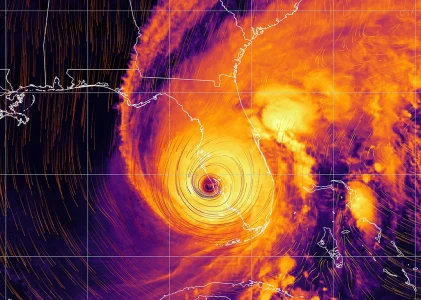
In the summer of 2022, extreme heat pushed California’s energy grid to the brink. Electricity demand was putting unprecedented pressure on the system, and the California Independent System Operator (ISO) issued its highest-level energy emergency Flex Alert before reaching the point of ordering rolling blackouts.

For California utilities, communicating with customers quickly became an important part of the broader response. Energy conservation messages needed to reach large audiences during a narrow window, while utilities also needed visibility into delivery and a way to keep critical infrastructure providers informed about potential load shed events.

Convey supported California utility clients with high-volume communications capabilities that helped them reach customers quickly when every minute mattered.

When energy demand reached a critical point

Extreme heat can create a difficult balancing act for utilities. As temperatures rise, customers use more electricity, increasing demand at the same time that the grid is under greater strain.

In California during the summer of 2022, the situation became particularly critical. The ISO issued a Flex Alert asking customers to conserve energy, while the threat of rolling blackouts remained on the table. For utilities, reaching customers with timely, actionable information was an important part of the response.

Reaching customers at unprecedented scale

During a grid emergency, communication speed and scale matter. Utilities may need to reach millions of customers within a very short period, giving them an opportunity to adjust their energy use before demand reaches a critical threshold.

Through its communications support for California utility clients, Convey delivered up to 1.5 million communications per hour during the emergency response.

That scale allowed utilities to quickly distribute energy conservation communications across large customer populations, supporting broader efforts to reduce demand during the most critical periods.

Turning communication into action

The goal of an energy conservation message is ultimately to encourage customers to change their behavior when it can have the greatest impact.

On September 7, 2022, customer power demand dropped by 1.2 gigawatts between 5:50 and 5:55 p.m., according to the California Independent System Operator, as part of the state’s energy conservation efforts.

The result demonstrated the potential impact of coordinated conservation efforts during a grid emergency. Proactive customer communications were one component of the broader response that helped California avoid rolling blackouts.

Visibility into communications when it mattered most

Sending communications at scale is only part of the equation. During an emergency, utility teams also need to know whether messages are reaching customers. Convey provided real-time reporting and carrier-certified delivery receipts, giving utility teams visibility into communication delivery during the event. That information helped teams monitor performance as communications were being distributed rather than waiting until after the emergency to understand what happened.

For high-stakes communications, that visibility can help teams respond with greater confidence as conditions evolve.

Keeping critical infrastructure informed

A potential load shed event can have significant implications for organizations that provide essential services.

As part of the communication effort, critical infrastructure providers such as hospitals and care facilities were alerted to potential load shed events. Proactive notification gave these organizations more time to prepare for possible changes in power availability.

For utilities, this type of communication adds another layer to emergency response by recognizing that different customers and organizations can have very different needs during a grid event.

Reducing pressure on customer service teams

A major emergency can generate a surge of questions from customers. When people do not know what is happening or what they should do, they often turn to customer service for answers. Fast customer communications helped reduce inbound calls to customer service centers, lowering operating expenses while giving customers information before they needed to pick up the phone.

That created benefits on both sides of the interaction: customers received timely information, while customer service teams faced less pressure during an already demanding event.

A broader response powered by communication

California’s 2022 grid emergency was not solved by a single communication channel, provider or organization. It was the result of a broader, coordinated effort involving the ISO, utilities, customers and other participants across the energy system.

For the California utility clients Convey supported, high-volume communications provided an important way to reach customers quickly, monitor delivery and communicate with organizations that needed advance notice of potential load shed events.

The experience also reinforced a larger lesson for utilities: customer communications can be an important part of managing grid emergencies, not simply a way to report on them.

When communications reach customers early enough to influence behavior, they can support conservation efforts while also reducing uncertainty and pressure on customer service teams.

What utilities can take from California’s 2022 energy emergency

As utilities prepare for increasingly challenging grid conditions, the California experience highlights several important considerations:

  • Scale matters. Emergency communications may need to reach millions of customers within a narrow window.
  • Speed matters. Conservation messages are most useful when customers have time to act on them.
  • Visibility matters. Real-time reporting and delivery data give communication teams insight during an active event.
  • Different audiences need different information. Critical infrastructure providers may require proactive notification about potential impacts.
  • Communication can reduce pressure on customer service. Getting information to customers proactively can help reduce avoidable inbound calls.

The 2022 California energy emergency showed what can happen when customer communication becomes part of the broader emergency response. For utilities facing extreme heat, grid constraints and other evolving challenges, having the ability to communicate quickly and at scale can be a critical piece of preparedness.

download

Download the case study

Open the full case study in a new browser tab.

Frequently asked questions about Convey’s role in California’s 2022 extreme heat wave and it’s impact on the grid

What caused the 2022 California energy emergency?

Extreme heat placed significant strain on California’s energy grid during the summer of 2022. The California Independent System Operator issued its highest-level energy emergency Flex Alert as the state faced the possibility of rolling blackouts.

How did Convey support California utilities?

Convey supported California utility clients with high-volume customer communications during the energy emergency. Communications reached up to 1.5 million recipients per hour, with real-time reporting and carrier-certified delivery receipts providing visibility into delivery.

How quickly could communications be delivered from Convey?

Convey’s communications reached a scale of 1.5 million communications per hour, helping California utility clients distribute energy conservation messages to large customer populations during a critical period.

How did communications from Convey support energy conservation?

Proactive communications gave customers information about the need to conserve energy before a potential load shed event. Those communications were one part of the broader conservation effort across California.

Were critical infrastructure providers included?

Yes. Hospitals, care facilities and other critical infrastructure providers were alerted to potential load shed events, giving them advance notice to prepare.

Did the communications using Convey reduce customer service calls?

The case study reports that fast customer communications reduced inbound calls to customer service centers, helping reduce operating expenses during the emergency.

What was the result of California’s conservation efforts in partnership with Convey?

According to the California Independent System Operator, customer power demand dropped by 1.2 gigawatts between 5:50 and 5:55 p.m. on September 7, 2022. The conservation response contributed to California narrowly avoiding rolling blackouts.