




Free your CX from billing constraints
Customer experience leaders in utilities know the feeling. You’ve identified a better way to reach customers before they fall behind on payments. Your…

As weather conditions continue to prove, utilities are at the mercy of their environment. As severe weather increases, organizations across the nation are reviewing their emergency communication strategies with renewed urgency. At Convey, we recognize that delivering critical alerts when every second counts isn’t just about sending messages, it’s about ensuring those messages reach their destination when lives are at stake.
The National Weather Service’s Weather-Ready Nation initiative emphasizes “Building Community Resilience” through effective communication systems.1 The lessons from severe weather events have shown us that even the most robust systems can be tested during crisis situations.
Recent Winter Storm Fern hit many states who previously had not been as concerned with winter weather. This storm proved, though, that having procedures and plans in place is essential for keeping communities informed and safe. Utilities are seen as a partner when it comes to public crises like severe weather.
During Storm Fern, Convey’s platform played a stabilizing role for utilities, helping them communicate rapidly, accurately, and at scale. Over just 12 days, utilities were able to reach residents across multiple channels:
These communications were not generic alerts. They were segmented by location, customer type, and language, allowing utilities to provide the right information to the right people. Two-way automated messages helped residents report hazards, schedule appointments, and get updates on outage restoration, reducing strain on call centers while keeping communities informed.
The result was a coordinated, stable response that allowed utilities to focus on repairing infrastructure.
Read more about Convey’s response and impact during Storm Fern.
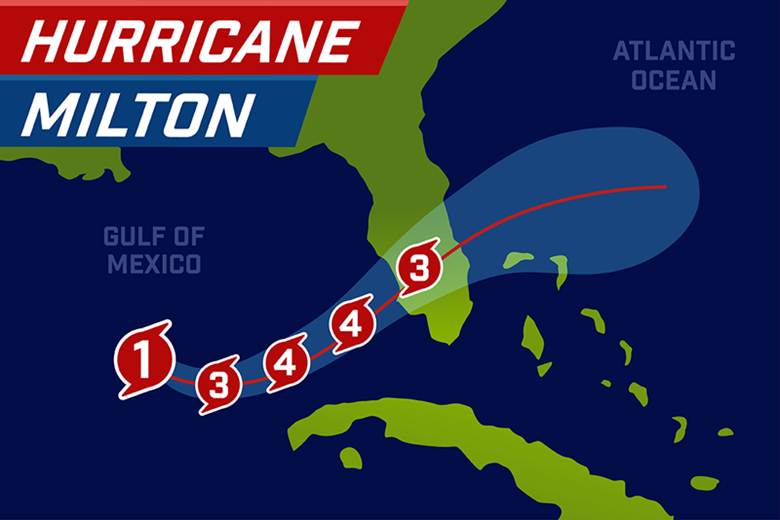
The recent storm seasons have taught utility companies nationwide valuable lessons about emergency communications. Consider what might happen if a major hurricane, such as one from the 2024 Atlantic hurricane like Hurricane Milton, were to force mass evacuations across Florida. In such a scenario, Florida Power & Light’s rapid messaging system would be invaluable in coordinating community response. The ability to quickly disseminate emergency text messages would help residents make life-saving decisions as the storm approached.

This scenario aligns with the Department of Energy’s guidance on emergency preparedness and response2, which emphasizes that communication infrastructure resilience is essential during severe weather events. The critical need for faster message delivery extends beyond routine operations, as it becomes vital during peak demand situations when emergency alert text messages can make the difference between safety and disaster.
During severe weather events, standard text alert systems often encounter what’s called the “messaging bottleneck.” As thousands or even millions of people simultaneously receive emergency alerts, traditional systems struggle with surge capacity. This bottleneck occurs precisely when message delivery is most critical, when every second counts.
The problem stems from technical limitations that weren’t designed for the massive spikes in volume that characterize crisis communications. According to FEMA’s Continuity Guidance Circular3, organizations must maintain continuous communications capabilities even during catastrophic events. This is a standard that conventional systems frequently fail to meet. These challenges are exactly what Convey’s High Throughput technology was designed to address.

As storm season approaches, there are several essential pre-storm system checks that utilities should complete with any communications platform. First, evaluate current throughput needs based on your customer base and geographic location. An emergency texting service serving coastal regions, for instance, may need significantly more capacity than one serving inland areas less prone to evacuation scenarios.
Is high-capacity throughput right for your organization? Key indicators include experiencing delays during previous emergency communications, serving regions prone to severe weather events, or having responsibility for critical infrastructure communications. Integration with American Meteorological Society’s published guidelines on emergency communications4 should be part of your planning procedures as you assess your readiness.
Preparing your customers for severe weather season involves more than just your own system readiness. An effective emergency communications strategy includes proactive customer education. Develop storm-specific message templates designed to align with CDC’s Crisis and Emergency Risk Communication (CERC) principles5, ensuring that messages are clear, actionable, and appropriate for high-stress situations.
Encourage your customers to take these critical preparedness steps:
The Weather Ready Nation Ambassador toolkit provides excellent resources for public education components that complement your emergency alert system6. Advanced technology streamlines delivery of time-sensitive educational content, ensuring that weather alert texts reach your audience before critical decision points during an emergency.
Convey’s High Throughput (HTP) feature is engineered to overcome the messaging bottlenecks that plague emergency communications. This innovation delivers significantly faster message transmission during peak demand scenarios, with more reliable throughput when every second counts.
The enhanced queue management capabilities of HTP prioritize critical communications during crisis events, while improved delivery monitoring and reporting give emergency managers real-time insight into message status. This addresses the message delivery challenges identified in best practices guidance from the Department of Homeland Security’s Cybersecurity and Infrastructure Security Agency (CISA)7, particularly the need for assured delivery during infrastructure strain.
Our HTP feature also achieves faster speeds through dedicated short codes, direct carrier connections, and volume-based throughput agreements, all while maintaining the highest levels of compliance and security that our clients expect.
High Throughput technology is available now. Key features of the rollout include:
This advancement represents a significant leap forward in emergency mass text messaging capabilities.
With severe weather events becoming increasingly unpredictable and intense, emergency preparedness has never been more important. The combination of emergency planning, proper system configuration, and cutting-edge technology ensures that your organization can maintain critical communications even in the most challenging circumstances.
Your emergency text alert system forms a critical link in your overall emergency preparedness kit. It’s also how you connect with your community when traditional communications may be compromised. Ready.gov’s storm readiness guidelines emphasize the importance of multiple, redundant communication channels8, and your SMS alert system should be configured for maximum reliability. As we face the 2025 storm season, now is the time to ensure these systems are in place.
Contact Convey today to learn how High Throughput technology can elevate your emergency alert capabilities this storm season. When severe weather threatens your community, your ability to send emergency message alerts quickly and reliably isn’t just a convenience, it’s a necessity that saves lives.
From tornado preparedness kits to evacuation plans, from disaster preparedness strategies to emergency planning protocols, effective communication ties every aspect of emergency response together. Make sure your SMS, email, and voice alert systems are ready to perform when it matters most.
What is a messaging bottleneck in emergency communications?
A messaging bottleneck happens when emergency alert systems can’t handle a sudden surge in message volume, causing delays or failures. Convey’s High Throughput technology is designed to eliminate these bottlenecks by ensuring fast, reliable delivery of emergency communications at scale.
Why do traditional emergency alert systems fail during severe weather?
Traditional systems often lack the capacity to manage high-volume messaging during storms or disasters. Convey helps utilities overcome these limitations with scalable infrastructure built specifically for high-demand emergency communications.
How does Convey improve emergency message delivery during storms?
Convey improves delivery through High Throughput messaging, which prioritizes urgent alerts, accelerates send speeds, and provides real-time visibility into delivery performance—ensuring critical messages reach customers when it matters most.
What is High Throughput messaging and why does it matter?
High Throughput messaging enables organizations to send large volumes of SMS alerts quickly and reliably. Convey’s High Throughput technology ensures utilities can communicate without delays during peak demand, helping protect public safety.
What are the best communication channels for emergency alerts?
The most effective emergency communication strategies use multiple channels, including SMS, email, and voice. Convey’s platform enables utilities to orchestrate omnichannel alerts, increasing reach and reliability during severe weather events.
How can utilities prepare their emergency communication systems for storm season?
Utilities can prepare by testing system capacity, reviewing message templates, validating customer data, and ensuring scalability. Convey helps organizations proactively assess readiness and optimize their emergency communication strategy before storms hit.
Why is customer segmentation important in emergency messaging?
Customer segmentation ensures that alerts are relevant, timely, and actionable. Convey enables utilities to target messages by location, language, and customer type, improving clarity and response during emergencies.
How does Convey help reduce inbound calls during outages or storms?
Convey reduces call center volume by sending proactive, real-time updates and enabling two-way messaging. Customers can receive updates, report issues, and get answers without needing to call, easing operational strain.
How can utilities measure the effectiveness of their emergency communications?
Key metrics include delivery speed, message success rates, engagement, and reduced call volume. Convey provides detailed analytics and reporting so utilities can continuously improve their emergency communication performance.
When should a utility upgrade its emergency communication platform?
If your organization experiences delays, struggles with high message volumes, or serves storm-prone regions, it may be time to upgrade. Convey’s emergency communication solutions are built to scale with demand and support reliable messaging during critical events.