




Budgeting season: why utilities should invest in communication technology that pays for itself
Budget season forces utilities to make difficult decisions. Which investments are essential? Which can wait? And, perhaps most importantly, which…

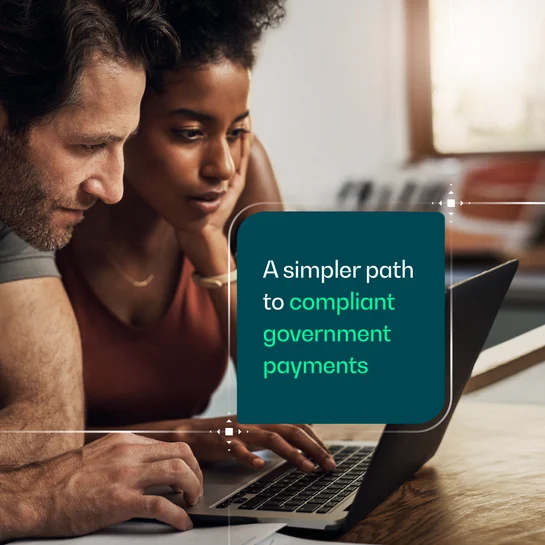
Government agencies are responsible for collecting payments efficiently, securely and in ways that meet the expectations of the people they serve. Whether accepting utility bills, taxes, inspection fees, court fines or other payments, agencies need technology that protects sensitive financial information while making the payment experience simple for citizens.
That balance is becoming increasingly important. Consumers are accustomed to fast, convenient digital payment experiences in nearly every part of their lives, while government agencies must also navigate evolving security requirements, complex technology environments and limited resources.
For many agencies, payment processing can involve multiple software platforms, payment processors and channels, creating additional complexity for both internal teams and the people making payments.
Convey helps simplify that experience with secure, PCI-compliant payment solutions built for government agencies and utilities.
Accepting payments through web, mobile and phone channels requires more than simply giving customers a place to enter their payment information. Agencies must consider how sensitive cardholder data moves through their infrastructure, payment processors and third-party providers.
They must also keep up with the requirements established by the Payment Card Industry Data Security Standard, or PCI DSS. These standards are regularly updated, requiring organizations involved in payment processing to continually evaluate and adapt their systems and processes.
For agencies with already-stretched IT and administrative resources, managing these requirements internally can add significant operational and compliance demands.
Convey provides PCI-compliant hosted payment solutions that can help reduce the burden of managing payment security internally.
Our hosted payment environment is purpose-built to securely process transactions while keeping sensitive cardholder data off an agency’s infrastructure. By moving payment processing into a dedicated environment, agencies can reduce the amount of payment-related technology and data they need to manage themselves.
That can mean less infrastructure to maintain, fewer security responsibilities for internal teams and a more manageable approach to payment compliance.
The result is a payment environment designed to help agencies protect sensitive information while allowing their teams to focus on their core mission: serving their communities.
Today’s citizens expect to be able to interact with government through the channels that work best for them. For payments, that can mean paying online, from a mobile device or over the phone.
Convey’s payment solutions support these channels through a consistent, user-friendly experience. Established integrations with major software platforms and payment processing providers help agencies connect payment capabilities with the systems they already use.
Instead of managing disconnected payment processes across different channels, agencies can provide a more unified experience for the people they serve.
A secure payment experience does not have to be complicated for the customer.
When payment technology is designed around both security and usability, citizens can complete transactions through familiar channels while agencies maintain the controls needed to protect sensitive information.
That is especially important for government organizations. Payments are not simply transactions. They are part of the broader experience citizens have with the agencies they rely on.
A straightforward payment process can make it easier for someone to pay a bill, submit a fee or complete a government service without unnecessary steps or friction.
Convey’s expanded payment capabilities build on the company’s acquisition of Selectron, bringing secure payment technology together with Convey’s broader customer engagement capabilities for utilities and government organizations.
The combination gives agencies a more connected approach to engaging with customers and citizens across essential interactions, from communications and service notifications to payments.
For government organizations, that means payment capabilities can become part of a broader engagement strategy rather than a disconnected process managed separately from other customer interactions.
Government agencies have a responsibility to protect the sensitive information entrusted to them. They also have a responsibility to make essential services accessible and convenient.
Convey’s PCI-compliant payment solutions help agencies address both priorities.
By providing secure hosted payment infrastructure, support for multiple payment channels and integrations with existing systems, Convey helps reduce the complexity of managing payments while giving citizens a more convenient way to complete transactions.
As government organizations continue modernizing their digital services, secure payments should be part of that conversation. The right technology can help agencies reduce operational and compliance burdens while creating payment experiences that citizens can trust.
Convey delivers secure, PCI-compliant payment solutions alongside customer engagement technology designed for utilities and government organizations.
PCI compliance refers to meeting the security requirements established by the Payment Card Industry Data Security Standard (PCI DSS) for organizations that store, process or transmit payment card information. For government agencies, PCI compliance is an important part of protecting sensitive financial information and maintaining secure payment processes.
Yes. Convey provides PCI-compliant hosted payment solutions designed to help government agencies and utilities securely accept payments while reducing the amount of sensitive cardholder data handled within their own infrastructure.
Convey helps reduce the burden of payment security by providing hosted payment infrastructure designed to securely process transactions and keep sensitive cardholder data off an agency’s infrastructure. This can reduce the amount of payment-related technology and data an agency needs to manage internally.
Convey’s payment solutions can support a range of government payments, including utility bills, taxes, inspection fees, court fines, and other fees or services. Payment capabilities can be connected with the systems agencies already use.
Yes. Convey supports payment experiences across web, mobile and phone channels, giving citizens convenient options for completing transactions while providing agencies with a consistent payment experience.
A hosted payment solution can help government agencies reduce the infrastructure and security responsibilities associated with managing payment processing internally. By hosting payment technology and keeping sensitive cardholder data outside of the agency’s infrastructure, agencies can reduce operational complexity while maintaining a secure payment experience.
Yes. Convey’s payment solutions offer integrations with major software platforms and payment processing providers, helping government agencies connect payment capabilities with the systems they already use.
Secure payment processing can give citizens a convenient and consistent way to complete transactions across web, mobile and phone channels. A straightforward payment experience can make it easier for people to pay bills, fees and other government charges without unnecessary steps or friction.
Convey’s acquisition of Selectron expanded its capabilities in secure payments and government technology. These capabilities complement Convey’s customer engagement solutions, giving utilities and government organizations access to a broader set of tools for managing important customer and citizen interactions.
Yes. Convey’s hosted, PCI-compliant payment solutions are designed to reduce the amount of payment infrastructure and sensitive cardholder data agencies need to manage internally. This can help internal teams spend less time managing payment technology and more time supporting their organization’s broader mission.