



TCPA readiness: A practical checklist for utilities and regulated industries
The rules around consumer consent and opt-outs are changing. Is your organization ready? For utilities and other regulated organizations, customer…

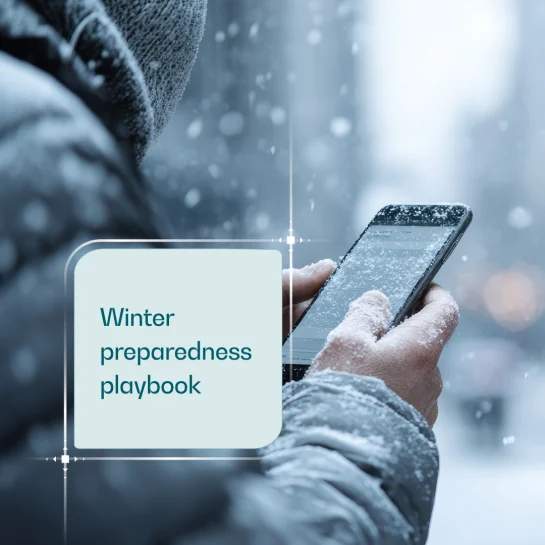
Winter brings unique challenges for utilities. From severe weather and outages to increased customer questions and safety concerns, utilities need to be prepared to keep service reliable while keeping customers informed.
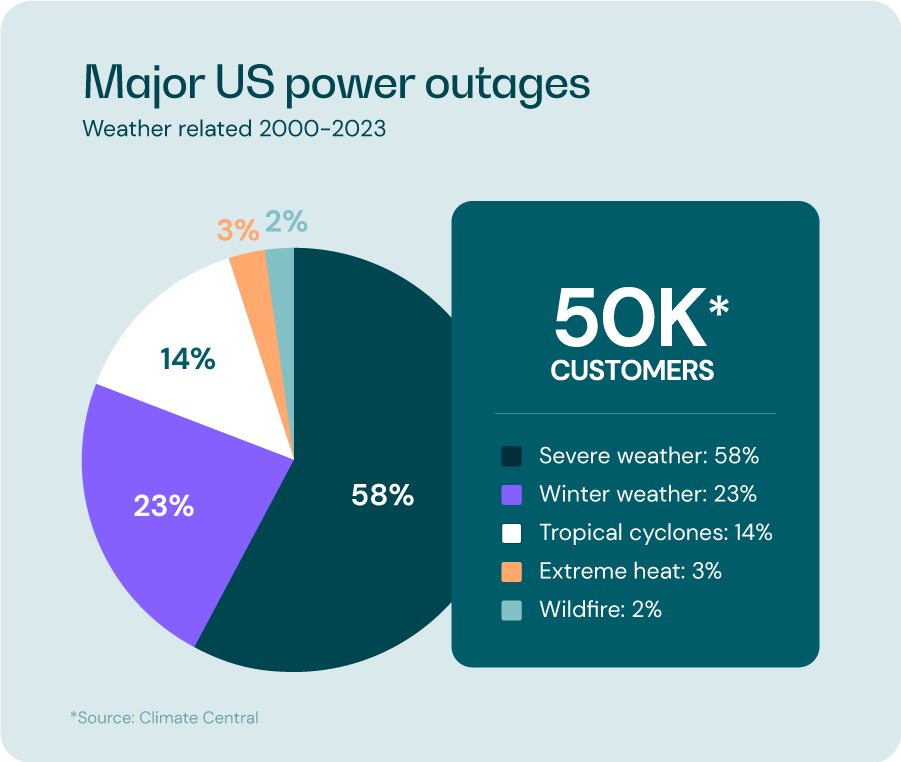
Between 2000 and 2023, winter storms accounted for 23% of major weather-related power outages in the United States, with the Northeast and Ohio Valley experiencing the highest number of disruptions. The historic January 2025 snowstorm also brought unprecedented conditions to parts of the Southern U.S., impacting areas that are less accustomed to severe winter weather and setting new outage records.

For utilities, winter preparedness goes beyond infrastructure. It also means having a clear customer communication strategy in place before severe weather arrives.
Proactive preparation and communication can help utilities minimize disruptions, strengthen customer trust, reduce spikes in service calls, and support safety and reliability when conditions are challenging.
Winter requires increased attention to both infrastructure and customer communication.
Preventive measures can help minimize service disruptions, while clear and transparent communication gives customers timely information about what is happening and what they can do to stay safe.
A proactive communication strategy can also help reduce the pressure on customer service teams. When customers receive information before they need to call, utilities can reduce winter-related inquiries and keep call center resources available for customers who need additional assistance.
The goal is not simply to communicate more. It is to communicate at the right time, through the right channels, with information that customers can understand and act on.
The success of a winter communication strategy depends heavily on timing.
Utilities should think about customer communication across three stages: before a winter event, during severe weather, and after the incident.
Pre-winter communication gives customers the information they need before conditions become challenging.
Utilities can use this time to:
These communications help customers understand what to expect and give them resources before an event occurs.
When severe weather hits, customers need timely information about their service and safety.
Utilities should be prepared to:
For utilities looking to modernize emergency communications, Convey’s emergency outage notification solution supports critical communications for extreme weather and other public safety events.
Communication should not stop when service is restored.
Post-incident follow-up can include:
This creates a continuous communication loop that extends beyond the immediate event.
No single communication channel reaches every customer in the same way. A winter communication strategy should use multiple channels to deliver timely information and make it easier for customers to access updates.
Depending on the situation, utilities can use:
Learn more about Convey’s Digital Wallet Card for Utilities and how utilities can deliver real-time updates, personalized messages and alerts through a channel customers already use.
The key is creating a coordinated strategy so customers receive consistent information regardless of the channel they use.
The effectiveness of a customer communication strategy depends not only on when a message is sent, but also on how that message is written.
Winter communications should:
Preparedness also means making sure communications can reach customers regardless of their circumstances.
Utilities should consider providing messages in multiple languages, keeping communications mobile-friendly and accessible, offering voice options for customers who cannot access digital channels, and reaching customers with medical or critical service needs with essential updates and assistance.

Customer communication is only one part of winter readiness. Internal teams also need to be aligned before severe weather arrives.
Utilities can prepare by:
Automation can also help reduce manual effort and support timely updates.
Smart workflows can automate outage alerts and restoration notifications across channels, trigger safety reminders when storms are forecast in specific regions, personalize updates based on customer accounts and locations, and provide real-time delivery information so teams can adjust communications as conditions change.
Winter events can bring additional responsibility around customer safety, regulatory expectations and communication records.
A proactive and transparent communication strategy can help utilities demonstrate their approach to compliance while keeping customers informed.
Utilities should consider:
For utilities managing consent and communication preferences, Convey’s ENFORCE provides a centralized approach to consent revocation management across SMS and voice communications.

Winter preparedness extends beyond customers and customer service teams. Utilities also need visibility into field operations during challenging conditions.
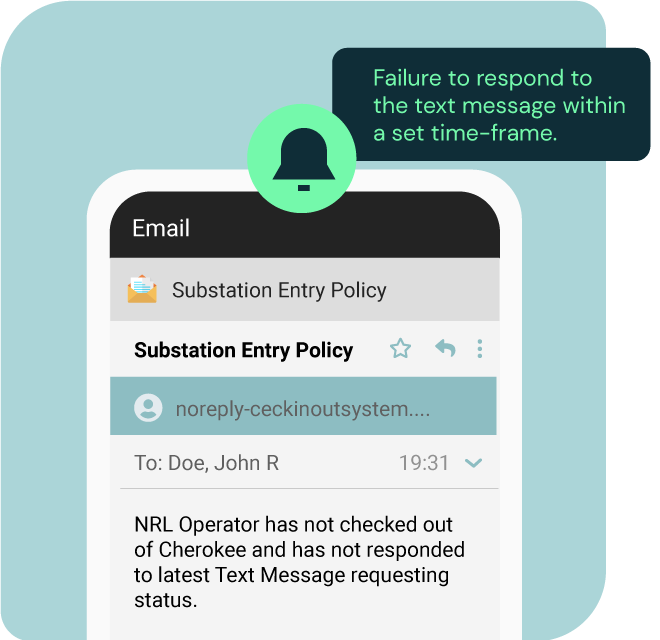
The playbook recommends using automated communication workflows to support real-time crew location monitoring. An automated substation check-in system such as Convey SubTrac can provide updates on field teams and help teams respond when a crew member does not check out or respond to a status request.
Connecting field teams, control centers and customer-facing teams gives utilities a more coordinated approach to winter response.
Winter events can create a significant increase in customer inquiries. Customers want to know whether their service is affected, when it will be restored and what they should do next.
Proactive communication can address many of those questions before customers need to call.
By anticipating customer needs and addressing potential issues before they arise, utilities can reduce winter-related inquiries. Fewer inbound calls can lower operational costs by reducing the need for additional seasonal staff, while also giving customer service teams more capacity to resolve the calls that do come in.
The potential benefits include:
Utilities are not the only organizations customers depend on during winter events.
Coordination with local government, emergency services, community organizations and vulnerable population networks can help strengthen the overall response.
Utilities can:
Consistent messaging across organizations can help customers receive clearer information when they need it most.
Download now
For the complete strategic guide, including the recommended customer-facing communications download the full Winter preparedness playbook and share with your teams.
Winter preparedness starts well before the first major storm.
A strong strategy brings together proactive communication, multiple customer channels, internal team readiness, field operations, compliance and community coordination.
Before winter arrives, consider whether your utility is prepared to:
If you are evaluating your winter readiness, schedule a winter readiness assessment with Convey. The complimentary 30-minute consultation includes a review of your winter preparedness plan, communication gaps, potential savings and a strategy tailored to your needs.
Winter storms accounted for 23% of major weather-related power outages in the U.S. between 2000 and 2023. Preparing for winter means addressing both infrastructure and customer communication so utilities can minimize disruptions, keep customers informed and support safety and reliability.
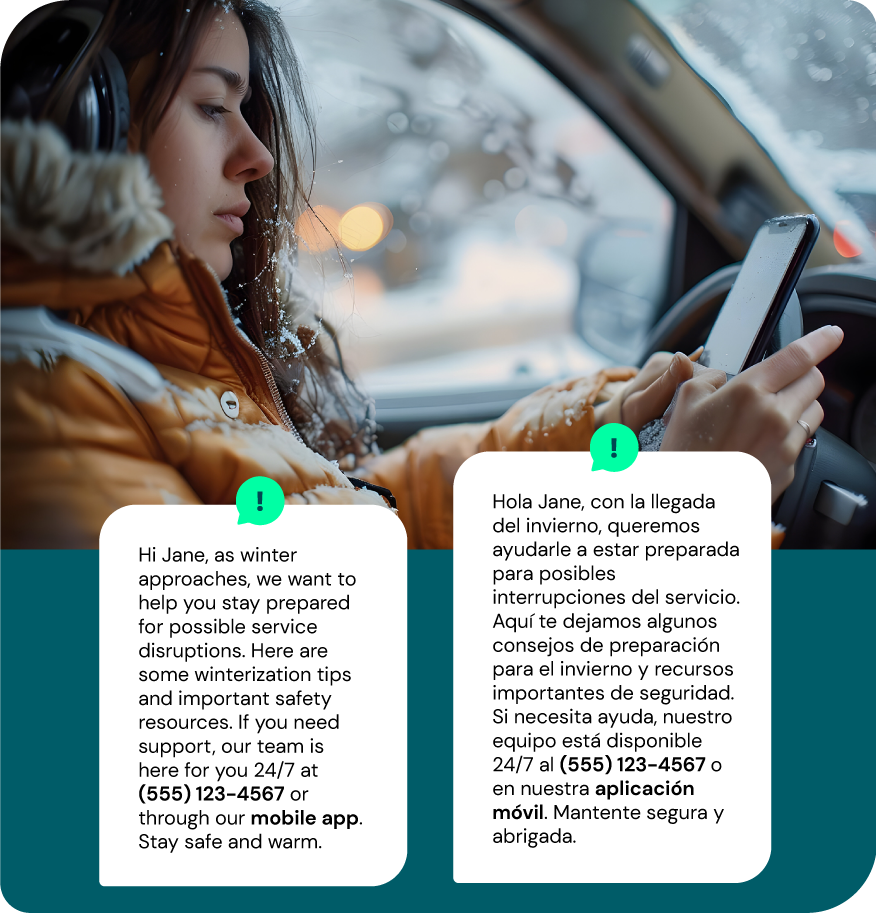
Before winter events, utilities can share winterization tips and resources, announce planned maintenance, provide emergency contact information and explain their winter preparation efforts.
During a winter event, utilities should provide real-time updates, notify customers about service disruptions, communicate estimated restoration times when possible, and share safety reminders and emergency procedures.
Post-incident communications can include service status and resolution updates, preventive tips for future events, customer appreciation messages and requests for feedback.
Utilities can provide messages in multiple languages, make communications mobile-friendly and accessible, offer voice communication options and provide essential updates to customers with medical or critical service needs.
The playbook recommends using a combination of channels, including SMS, RBM, text alerts, websites, IVR, Wallet Cards, mobile apps, AI workflows and social media. The right mix depends on the type of information being shared and the needs of the customer.
Proactive communication can reduce winter-related inquiries by giving customers information before they need to contact the utility. This can reduce inbound call volume, lower operational costs and improve customer satisfaction and first-call resolution rates.
Utilities should maintain accurate employee contact lists, review communication escalation paths, test response plans through tabletop or simulation exercises and share internal updates consistently across departments.
Utilities should document outbound communications and response timelines, meet applicable outage notification requirements, provide accessible safety updates, maintain records of customer engagement and use centralized platforms to support reporting and reduce audit risk.
Utilities can align messaging with local government and emergency services, share safety updates with community organizations and vulnerable population networks, provide standardized talking points to public-facing agencies and establish direct communication lines with key partners before storms occur.
Winter preparedness is about more than responding when an outage occurs. It is about having the communication strategy, workflows and internal coordination in place before customers need answers.
With the right preparation, utilities can keep their communities informed, support safer responses, reduce unnecessary pressure on customer service teams and build trust through clear, proactive communication.