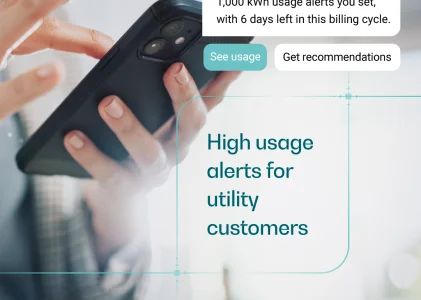
High usage alerts for utility customers
Why high usage alerts are becoming essential for utility customer engagement Unexpected spikes in energy usage create more than customer…
June 24, 2026
7 min read


 Introducing ConveyIQ: A more intelligent way to power communication
Utilities and regulated industries are operating in
Read More Introducing ConveyIQ: A more intelligent way to power communication Message Broadcast is Now Convey
Message Broadcast rebrands as Convey, marking a
Read More Message Broadcast is Now Convey Convey acquires Selectron, expanding its engagement operating system with citizen engagement, field operations, and payments
Convey is excited to announce the acquisition
Read More Convey acquires Selectron, expanding its engagement operating system with citizen engagement, field operations, and payments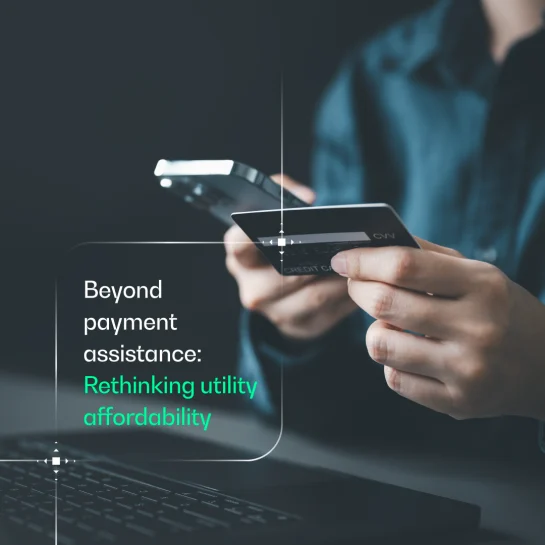


For utilities, affordability has traditionally been addressed through payment assistance programs, budget billing options, and flexible payment arrangements. While these programs remain essential, they often engage customers only after financial stress has already occurred.
Today, utilities have an opportunity to take a more proactive approach.
As energy costs fluctuate and customers face increasing pressure on household budgets, affordability is no longer just about helping customers pay their bills. It is about helping them avoid unexpected costs in the first place. By leveraging high usage alerts and high bill alerts, utilities can provide customers with timely information that empowers them to take action before a billing issue becomes a financial burden.
The need for a proactive affordability strategy has never been greater. According to J.D. Power’s 2025 U.S. Electric Utility Residential Customer Satisfaction Study, average monthly residential electric bills have increased 34% since 2020. At the same time, customer satisfaction has declined to the lowest level recorded in the study’s history, with rising costs cited as one of the primary drivers of dissatisfaction.
The challenge is compounded by a lack of visibility into energy usage and costs. Many customers struggle to understand what is driving their bills until they receive a statement that is significantly higher than expected. Research from WOKV found that 22% of Americans do not know what they are paying for on their utility bills, highlighting a widespread gap in customer understanding and engagement.
When customers are surprised by higher bills, the result is often financial strain, increased call center activity, lower satisfaction scores, and a greater likelihood of missed or delayed payments.
Traditionally, utilities have responded to these situations through collections efforts, payment arrangements, or assistance programs after the problem has already occurred. While these approaches remain important, they are reactive by nature.
A more effective affordability strategy begins much earlier.
High usage alerts notify customers when their energy consumption exceeds expected thresholds during the billing cycle. Rather than waiting until the bill is generated, customers receive an early indication that usage is trending higher than normal.
This early visibility can make a meaningful difference.
When customers understand that their usage is increasing, they can investigate potential causes, adjust energy consumption habits, identify equipment issues, or take advantage of efficiency programs before costs continue to accumulate.
For utilities, high usage alerts help transform customer communications from transactional notifications into actionable guidance. Instead of simply reporting what happened, utilities can help customers understand what is happening now and what they can do about it.
Research from McKinsey & Company found that utilities that improve digital customer engagement consistently outperform peers in customer satisfaction. Customers increasingly expect timely, personalized communications that help them manage their services and costs. High usage alerts meet those expectations by providing actionable information when customers still have time to respond.
The result is a more informed customer who feels empowered rather than surprised.
While high usage alerts focus on consumption trends, high bill alerts help customers understand the financial impact before the bill arrives.
By using predictive analytics and billing intelligence, utilities can estimate upcoming charges and notify customers when their projected bill exceeds a predetermined threshold or significantly differs from normal patterns.
These alerts create a valuable intervention point.
Customers gain time to prepare financially, seek assistance if needed, explore payment options, or adjust usage before the billing cycle ends. For households operating on tight budgets, even a few days of advance notice can help avoid difficult financial decisions.
High bill alerts also support utility goals by reducing bill shock, improving customer satisfaction, and encouraging more positive payment outcomes.
Utilities using Convey’s BillWise AI have demonstrated the impact proactive alerts can have on both customer experience and operational efficiency. Utility partners have achieved a 95% reduction in billing-related calls, a 30% increase in customer satisfaction scores, an 11-point increase in Net Promoter Score (NPS), and a 30% reduction in average handle time by providing customers with personalized usage insights and predictive bill information before issues arise.
Affordability initiatives are often measured by how effectively utilities help customers who are already struggling. However, some of the greatest opportunities lie in preventing customers from reaching that point.
When high usage alerts and high bill alerts work together, utilities create a continuous customer engagement strategy that supports affordability throughout the billing cycle.
A customer may first receive a high usage alert indicating their consumption is trending above normal. If usage continues, a high bill alert can provide visibility into the expected financial impact. Additional communications can then connect customers with energy-saving resources, budget billing programs, payment assistance options, or personalized recommendations.
This journey helps customers make informed decisions earlier, reducing the likelihood of missed payments, collections activity, and customer dissatisfaction.
Instead of waiting until customers fall behind, utilities can proactively guide them toward actions that improve affordability outcomes before financial stress occurs.
The benefits of proactive affordability communications extend beyond customers.
When customers receive timely, relevant information, utilities often experience:
Customers increasingly expect the same level of proactive communication they receive from financial institutions, retailers, and service providers. Utilities that deliver personalized, timely alerts demonstrate a commitment to helping customers manage costs rather than simply collecting payments.
This approach aligns with a key finding from J.D. Power’s utility studies: customers who believe their utility is helping them manage and reduce costs report significantly higher satisfaction levels than those who do not.
As utilities continue to navigate rising customer expectations and increasing affordability challenges, affordability must evolve beyond assistance programs alone.
Proactive communications such as high usage alerts and high bill alerts give customers the information they need to make informed decisions before financial stress occurs. By combining predictive insights with timely outreach, utilities can reduce bill surprises, strengthen customer relationships, and support better financial outcomes for both customers and the organization.
Affordability is no longer just about helping customers after a problem arises. It is about helping them avoid the problem altogether.
With solutions like BillWise AI, utilities can deliver personalized usage insights, predictive high bill notifications, and targeted customer engagement that empowers customers to stay informed, take action, and maintain greater control over their energy costs.
A high usage alert notifies customers when their energy consumption exceeds expected levels during a billing cycle. A high bill alert estimates the financial impact of that usage and warns customers when their projected bill is expected to be significantly higher than normal. Together, they provide both consumption awareness and cost visibility.
These alerts give customers advance notice when costs are increasing, allowing them to adjust usage, investigate potential issues, explore assistance programs, or prepare financially before receiving a higher-than-expected bill.
Utilities using BillWise AI have achieved a 95% reduction in billing-related calls, a 30% increase in customer satisfaction, an 11-point increase in Net Promoter Score, and a 30% reduction in average handle time by providing customers with personalized usage insights and predictive bill information before issues arise.
Yes. When customers understand why their usage is increasing and what their bill is likely to be, they are less likely to contact customer service with questions or complaints about unexpected charges. Utilities using proactive communications often see meaningful reductions in high bill inquiry calls.
BillWise AI helps utilities proactively identify customers at risk of experiencing bill shock by providing usage insights, predictive high bill alerts, personalized recommendations, and customer engagement tools. This allows utilities to move beyond reactive support and create a more proactive affordability strategy.
Read other insights and news from the Convey team.
Why high usage alerts are becoming essential for utility customer engagement Unexpected spikes in energy usage create more than customer…

Why SMS still matters for regulated industries In today’s evolving digital landscape, SMS remains one of the most effective and…
In today’s global society, utilities and government agencies face the formidable challenge of effectively communicating with diverse consumer groups, especially…