


Watch now: Convey’s Engagement OS: Omnichannel engagement and PCI-compliant payments
The way utilities and public sector organizations engage with their customers and communities is changing. Expectations are higher, interactions are…
Energy bills are one of the most important touchpoints between utilities and their customers. Yet understanding why a bill changed, how energy usage affects costs, and what steps could help lower a future bill can be challenging. As affordability concerns grow, utilities have an opportunity to improve customer relationships by making billing information easier to understand and act on.
In a recent webinar hosted by the Smart Energy Consumer Collaborative (SECC), experts from E Source, DTE Energy, and Convey explored the connection between energy affordability, customer education, and digital billing experiences. The discussion highlighted a common challenge for utilities: providing customers with information is only part of the solution. Customers also need context that helps them understand what the information means and what they can do next.
Energy affordability remains a concern for households across income levels. Research shared by Ben Nathan, Director of Affordability and Equity at E Source, found that approximately one-third of surveyed utility customers expressed significant concern about their ability to stay current on utility payments over the following six months.
The findings also revealed that affordability concerns extend beyond households with lower incomes. Even among households earning more than $100,000 annually, 23% reported significant concern about keeping up with utility bills.
Customers also face challenges navigating the billing experience itself. E Source’s research identified several areas where utilities have opportunities to improve:
These challenges can make it harder for customers to understand their costs, identify opportunities to manage consumption, or find available assistance. They can also affect how customers perceive their utility and whether they feel equipped to make informed decisions.
For utilities, the opportunity is to move beyond presenting billing data and toward helping customers interpret it.
DTE Energy has spent several years developing digital tools to help customers better understand and manage their energy costs. Serving approximately 2.6 million electric and gas customers, the utility recognized that simply displaying historical usage and estimated bills did not always give customers the answers they needed.
DTE’s approach centers on three pillars: education, delivery, and behavior change.
Education means helping customers understand what drives their bills, how their current costs compare with previous periods, and what options may be available to them.
Delivery focuses on making that information accessible across digital channels and customer service interactions. When customers contact a representative with a billing question, the representative should have the information needed to explain what is happening without having to navigate multiple systems.
Behavior change gives customers the information and resources to make adjustments if they choose. Some customers may want to reduce energy consumption to lower costs, while others may prioritize comfort or have limited flexibility in their usage. The goal is to give customers options rather than prescribe a single approach.
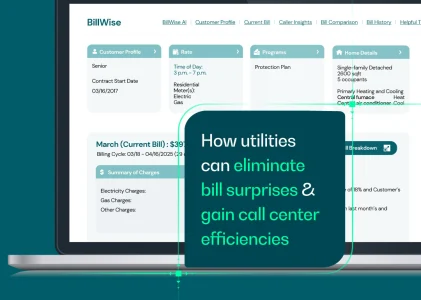
This framework shaped DTE’s evolution toward BillWise AI, a billing analysis tool designed to help customers understand not just what their bill is, but why it changed and what they can do about it.
DTE’s journey began in 2021 with a digital tool that provided customers with historical energy usage and estimated future bills. The utility continued to expand its capabilities over the following years.
In 2022, DTE introduced simulation capabilities that allowed customers to explore how changes such as adjusting thermostat settings or replacing appliances could affect their bills. In 2023, the utility added a rate simulator to help customers compare available rate options.
These improvements provided customers with more information and ways to explore potential savings. However, customer feedback, panels, and benchmarking revealed another opportunity: reducing the amount of work customers had to do to interpret the information.
DTE began piloting BillWise AI in 2025 and expanded it to full production in June 2026, according to the webinar. The updated tool builds on earlier functionality by using AI-powered insights to make billing information more personalized and actionable.
Rather than requiring customers to review multiple data points and draw their own conclusions, the tool brings important explanations and recommendations forward.
BillWise AI is designed to help customers understand changes in their energy costs through several connected capabilities.
The tool highlights important changes in a customer’s bill and helps explain the factors contributing to them. For example, seasonal changes may cause heating and cooling costs to shift in different directions. Presenting those changes together gives customers more context than a bill amount alone.
The experience also compares a household’s energy use with that of similar homes, taking factors such as home size and location into account. This context can help customers better understand their consumption patterns.
Personalized recommendations help customers identify potential ways to manage energy costs based on their circumstances. Instead of presenting generic energy-saving advice, the tool is designed to connect insights with relevant actions.
Customers can then decide which recommendations make sense for their household and preferences.
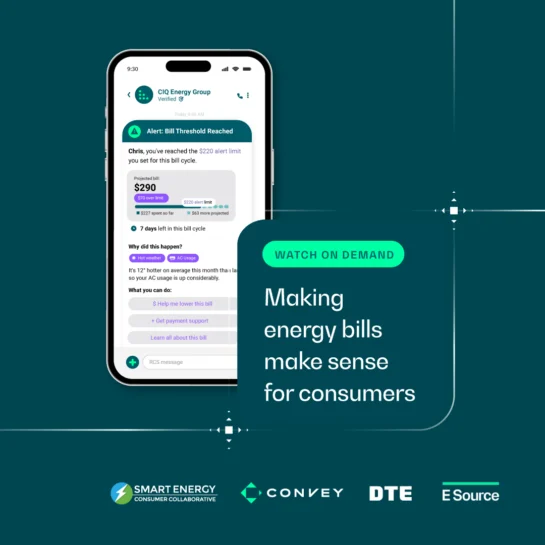
Bill forecasting gives customers a view of what their upcoming bill could look like before it arrives. Earlier visibility can help customers anticipate higher costs and consider their options rather than being surprised when a bill is due.
Usage analysis helps customers understand where their energy is going and how different categories contribute to overall consumption. Combined with personalized explanations, this information can help customers identify areas they may want to investigate further.
Together, these capabilities are intended to make billing information easier to interpret and more useful for day-to-day decisions.
Not every billing question can be resolved through self-service, and not every customer prefers to use digital tools. A better billing experience needs to support customers across channels.
Before implementing a more integrated approach, DTE’s contact center representatives had to navigate different areas of their systems to gather information for high-bill calls. This could make it harder to explain the factors affecting a customer’s costs quickly and clearly.
With BillWise AI, customer service representatives have access to the same underlying insights available through the customer-facing experience. This gives representatives more context to explain changes in usage, discuss potential future bills, and help customers explore available options.
The goal is not simply to prevent customers from contacting their utility. It is to help customers answer straightforward questions independently while giving representatives better information to resolve more complex concerns.
This distinction matters, particularly during peak heating and cooling seasons, when billing questions can place additional pressure on contact centers. When representatives have relevant information readily available, they can spend less time searching across systems and more time helping customers.
During the webinar, the speakers discussed the potential for digital self-service and improved agent tools to reduce call volume, shorten handling times, and improve customer satisfaction. Convey also referenced demonstrated improvements in average handling time, call volumes, and customer satisfaction through its work with DTE.
Clearer billing information can do more than help customers understand a single charge. It can also help them feel more informed and in control of their energy costs.
As ESource’s research illustrates, affordability concerns affect customers across income levels, while lower-income households can face additional challenges understanding bills and accessing assistance. Providing accessible explanations and actionable information is one way utilities can help address these challenges.
Personalized digital tools can also help utilities connect customers with relevant rate options, energy-saving opportunities, and other resources. When customers understand their options, they are better positioned to decide what works for their household.
For utilities, the opportunity is to make billing a more useful customer interaction. Combining clear explanations, personalized insights, forecasted costs, and informed customer service can help turn a potentially frustrating experience into one that supports understanding and trust.
Watch the webinar: Making Energy Bills Make Sense for Consumers explores the customer research, DTE’s experience, and the role of BillWise AI in creating clearer, more actionable billing experiences.
Utility bills can reflect several factors, including energy consumption, seasonal changes, and applicable rates. Customers may see that their bill increased without knowing which factors contributed to the change. Digital tools that explain usage patterns and provide relevant context can help make billing information easier to understand.
Utilities can provide personalized billing explanations, forecasted bill estimates, energy usage insights, and relevant recommendations. They can also make information about available rate options and assistance programs easier to find. These resources help customers understand their circumstances and explore potential next steps.
BillWise AI is a digital billing analysis tool that helps utility customers understand changes in their energy bills. Its capabilities include AI-powered personalized recommendations, forecasted bill information, and energy usage analysis. The tool is designed to turn billing data into explanations and insights customers can use to make informed decisions.
AI can help organize billing and energy usage information into personalized explanations and recommendations. Rather than requiring customers to interpret multiple data points themselves, AI-powered tools can highlight relevant changes, provide context, and suggest potential next steps. The value depends on making those insights understandable and useful to the customer.
When customers can find clear answers through self-service tools, some may be able to resolve their billing questions without contacting a representative. For calls that still require assistance, giving customer service representatives access to the same billing insights can help them explain changes more efficiently and reduce the need to search across multiple systems.
No. Digital self-service and customer service representatives serve complementary roles. Self-service can help customers answer common questions independently, while representatives remain important for complex billing issues, individual circumstances, and customers who prefer personal assistance. A connected experience supports both.
Recommendations can be informed by a customer’s energy usage patterns, bill history, household characteristics, and available rate options. Providing context helps customers understand why a recommendation may be relevant, while leaving them free to decide which actions fit their needs and priorities.
When customers understand what drives their bills and what options are available, they can make more informed decisions about energy use and costs. Clearer explanations can help reduce confusion, support more productive interactions with utility representatives, and strengthen customers’ sense of control over their energy expenses.
DTE’s experience demonstrates the value of evolving digital billing tools in response to customer feedback. Moving from historical usage data and estimates toward personalized explanations, forecasts, and recommendations can help make digital experiences more actionable. Connecting those insights with contact center tools also supports a more consistent experience across channels.