



Why proactive communication matters for community-owned utilities

By Convey News
August 14, 2026 10 min read
Share this post
Why proactive communication matters for community-owned utilities
news icon
Why proactive communication matters for community-owned utilities

Proactive communication is becoming essential for community-owned utilities looking to improve customer satisfaction, reduce call center volume, strengthen trust, and keep their communities informed and safe.

For community-owned utilities, serving customers is about more than keeping the lights on. It is about being a trusted resource for the community, especially when customers need information most. Whether a storm is approaching, an outage is underway, a bill is higher than expected, or a payment is due, customers want timely answers. When they do not have them, they call. For utilities with lean teams and limited resources, that can quickly create a cycle of high inbound call volume, frustrated customers, and overwhelmed contact centers.

Proactive utility communication can help break that cycle.

By reaching customers before they need to ask a question, community-owned utilities can improve the customer experience while making their own operations more efficient.

What is proactive communication for community-owned utilities?

Proactive communication means providing customers with relevant information before they have to reach out to the utility themselves.

Instead of waiting for a customer to report an outage, the utility can notify them that an outage has been detected.

Instead of waiting for a customer to call about a higher-than-normal bill, the utility can send a high bill or high usage alert with helpful context.

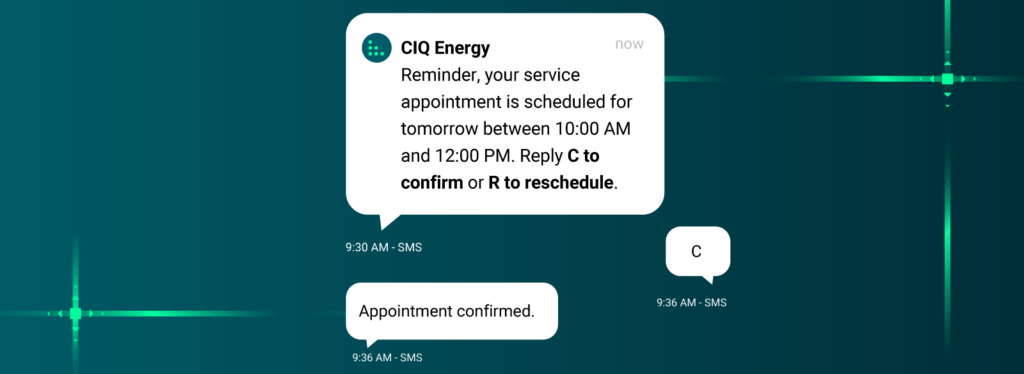
Instead of waiting for customers to ask when their service appointment will occur, the utility can provide scheduling updates automatically.

This shift from reactive customer service to proactive customer engagement can help utilities address questions before they become calls and deliver a more connected customer experience.

Read about the five proactive messages utilities should consider, including high bill alerts, outage updates, payment communications, and other service notifications.

Keep your community safe and informed with proactive utility communication

For community-owned utilities, communication plays a critical role in public safety. During severe weather, emergency events, planned outages, and unexpected service disruptions, customers need accurate information quickly. They need to know what is happening, what they should do, and when they can expect another update.

Proactive outage and emergency communications can include:

  • Outage confirmations
  • Estimated restoration times
  • Restoration time changes
  • Severe weather alerts
  • Planned outage notifications
  • Public safety messages
  • Restoration confirmations
  • Updates for extended outages

The ability to communicate throughout an event is just as important as the initial notification. Storm conditions change. Restoration estimates move. Crews encounter unexpected challenges. A proactive communication strategy gives utilities the ability to keep customers informed as the situation evolves.

Learn more about proactive outage communications.

Convey’s outage communication resources emphasize the importance of structured communication cadences that keep customers informed from outage detection through restoration.

Reach customers on the channels they prefer with proactive communication

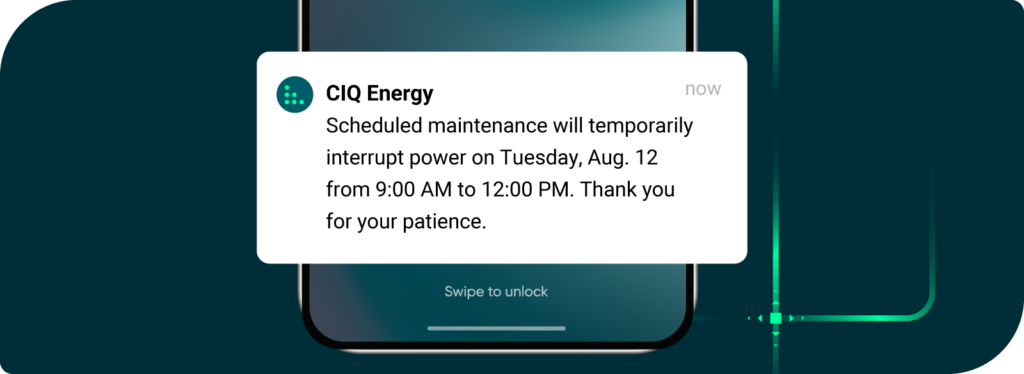
Scheduled maintenance SMS example for a utility customer.

Not every customer wants to communicate with their utility in the same way. Some customers prefer text messages. Others rely on email, voice calls, or other digital channels. A modern customer engagement strategy should account for those preferences.

For community-owned utilities, an omnichannel communication strategy can make it easier to reach customers with important information through the channels they are most likely to use.

That might mean:

  • SMS for an immediate outage update.
  • Email for a detailed billing explanation.
  • Voice for critical notifications.
  • Digital messaging for two-way conversations and self-service.

The goal is not to communicate more simply for the sake of communicating more. It is to deliver the right information, through the right channel, at the right time. That approach can make utility communications more relevant while helping increase engagement with important messages.

Utilities build trust through compliant communication

Proactive communication is only effective when customers trust the messages they receive.

Community-owned utilities need to balance timely outreach with customer preferences, consent requirements, opt-out requests, and other compliance considerations. As communication programs expand across SMS, voice, and email, managing those requirements manually can become increasingly difficult. A modern utility communication strategy should make compliance part of the workflow, helping utilities manage consent, preferences, and communication rules across channels.

This is particularly important when communications involve critical events, payments, collections, or other sensitive customer interactions.

Better communication should build trust, not create new compliance risk.

The January 2027 TCPA opt-out changes are fast approaching, and understanding the rules is only the first step. Watch our on-demand webinar hosted by Convey and Chartwell, Inc., where we explore the critical aspects of TCPA compliance for utilities. This session is designed to provide actionable insights on maintaining effective communication during outages while adhering to the latest regulations.

Utilities can deflect inbound calls before they happen

Message7B

One of the biggest benefits of proactive utility communication is its ability to reduce unnecessary calls to the contact center.

Consider the questions customers frequently ask:

  • When will my power be restored?
  • Why is my bill higher this month?
  • Did you receive my payment?
  • When will my technician arrive?
  • Is my outage still being worked on?
  • Why did my estimated restoration time change?

When customers do not have those answers, they often call. Proactive communications can answer many of those questions before customers ever pick up the phone.

For example, an outage notification can provide an estimated restoration time and a link to additional information. A high bill alert can explain what changed before the customer receives the bill. A payment notification can confirm that an action has been completed.

Every question answered proactively is one less reason for a customer to contact the call center.

That can help community-owned utilities reduce inbound call volume, relieve pressure on customer service representatives, and give agents more time to handle complex issues that actually require human support.

Utilities need to use proactive communication to improve customer satisfaction

Customer satisfaction is heavily influenced by how well a utility communicates, particularly when something goes wrong. Customers may understand that storms cause outages. They may understand that restoration takes time. What is frustrating is being left without information.

Proactive communication changes that experience.

Instead of making customers search for answers, utilities can keep them informed throughout the event. Instead of sending one notification and going silent, they can provide updates as conditions change. That can have a meaningful impact on utility customer satisfaction, or CSAT.

Convey research and resources consistently point to proactive communication as an important part of improving the utility customer experience. A recent resource on utility contact centers also examines the factors that can cause CSAT to break down, including communication challenges.

Read: 5 reasons CSAT breaks down in utility contact centers.

Make utility billing and payment communication more proactive

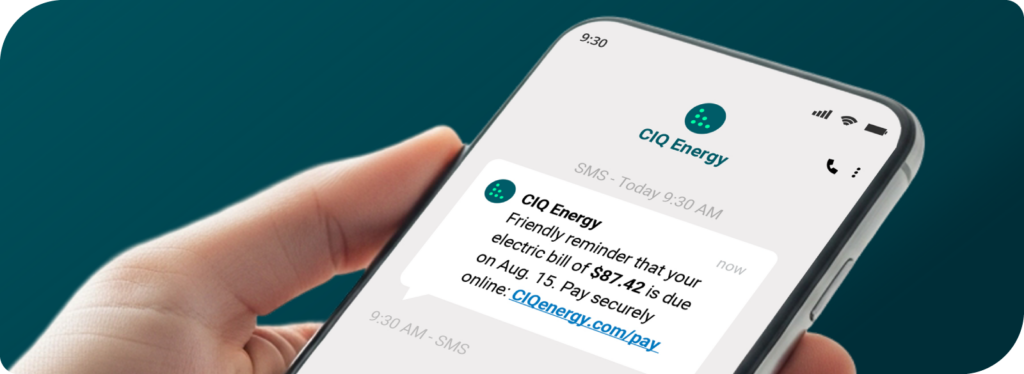
SMS examples message for a billing text to utility customer reminding them of their payment due.

Proactive communication is not limited to outages. Billing is another major opportunity for community-owned utilities to improve the customer experience. Unexpected bills can generate frustration and drive customers to contact centers. A high bill alert or high usage notification can give customers information before they receive a bill they do not understand.

Utilities can use proactive communications to:

  • Alert customers to unusually high usage
  • Explain potential causes of higher bills
  • Provide energy-saving resources
  • Connect customers with payment assistance
  • Send payment reminders
  • Confirm payments
  • Provide account notifications

The result is a more transparent billing experience and fewer customers left wondering what happened.

Convey’s high bill alerts resource explores how personalized billing communication can help reduce bill-related calls while improving the customer experience.

Do more with limited utility resources

Community-owned utilities often operate with lean teams. Customer service, communications, billing, and operations teams may already be managing multiple responsibilities. That makes efficiency particularly important. Automating repetitive communications can give utility teams time back without sacrificing the customer experience.

Instead of having employees manually send every outage update, payment reminder, or service notification, intelligent workflows can trigger communications based on what is happening in the customer’s account or the utility’s operations. That means teams can spend less time answering repetitive questions and more time solving the issues that require their expertise.

From reactive communication to proactive customer engagement

For community-owned utilities, proactive communication is not simply about sending more notifications. It is about creating a better way to serve customers.

A strong proactive communication strategy helps utilities:

  • Keep communities safe with timely emergency and outage information
  • Reach customers where they are through preferred communication channels
  • Strengthen trust through relevant, transparent, and compliant outreach
  • Deflect inbound calls by answering common questions before customers call
  • Improve CSAT by keeping customers informed
  • Support better billing and payment outcomes with timely alerts and reminders
  • Give utility teams time back through automated communication workflows

The result is a customer experience that feels more connected and responsive, while helping community-owned utilities operate more efficiently.

Proactive communication is better customer service

Customers should not have to call their utility to find out what their utility already knows. When community-owned utilities proactively communicate throughout the customer experience, they can provide answers sooner, reduce uncertainty, and build stronger relationships with the communities they serve. From outage management and emergency communications to billing, payments, scheduling, and customer service, every interaction is an opportunity to provide the right information at the right time.

Proactive communication helps community-owned utilities move from reacting to customer questions to anticipating customer needs.

And that is better for customers, better for utility teams, and better for the community.

Explore more resources for community-owned utilities

Looking for practical ways to modernize utility customer communication?

Frequently asked questions about proactive communication for community-owned utilities

What is proactive communication for a community-owned utility?

Proactive communication is the practice of providing customers with relevant information before they need to contact the utility. Examples include outage alerts, restoration updates, high bill alerts, payment reminders, and service notifications.

How can proactive communication reduce utility call center volume?

Proactive communications can answer common customer questions before they become calls. Providing outage status, restoration estimates, billing information, payment confirmations, and other updates can reduce the need for customers to contact the call center for basic information.

How does proactive communication improve utility customer satisfaction?

Customers are more likely to have a positive experience when they receive timely, relevant information and do not have to search for answers. Keeping customers informed throughout outages, billing events, and other service interactions can reduce uncertainty and build trust.

What channels should community-owned utilities use for customer communication?

Utilities should consider the channels their customers prefer, including SMS, email, voice, and digital messaging. A multichannel approach allows utilities to deliver urgent information quickly while providing customers with options for how they engage.

How can community-owned utilities maintain communication compliance?

Utilities can incorporate consent management, customer preferences, opt-out requirements, and applicable communication rules into their communication workflows. Building compliance into the communication process can make it easier to manage outreach across channels.

What types of utility communications can be automated?

Many recurring communications can be automated, including outage notifications, restoration updates, high bill alerts, payment reminders, payment confirmations, appointment notifications, and service updates. Automation allows utility teams to communicate consistently while reducing manual work.