

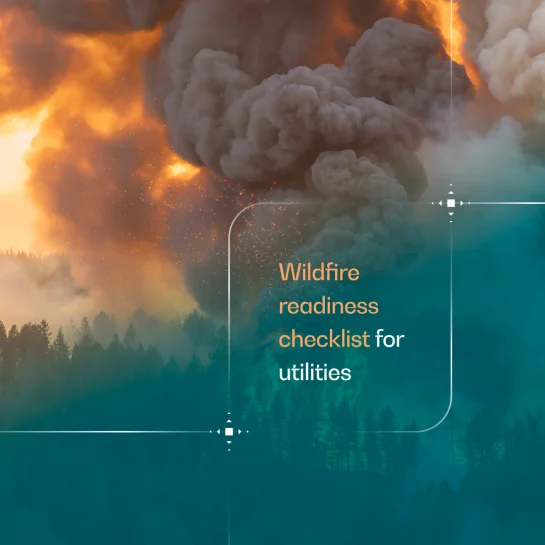

Wildfire readiness for utilities: A communication checklist for before, during, and after an event

By Convey News
September 15, 2026 6 min read
Share this post
Wildfire readiness for utilities: A communication checklist for before, during, and after an event
news icon
Wildfire readiness for utilities: A communication checklist for before, during, and after an event

Wildfires have become a year-round threat, testing how quickly utilities can communicate, protect customers, and support their communities before, during, and after an event.

When conditions change quickly, proactive and personalized communication can reduce uncertainty, support public safety, and build trust when every minute matters.

For utilities, wildfire readiness is about more than having an emergency plan. It also means having the communication workflows, channels, and processes in place to deliver timely, reliable information at every stage of an event.

This wildfire readiness checklist outlines key actions utilities can take before, during, and after a wildfire to strengthen operational coordination and customer communications.

Before a wildfire: plan and prepare

Effective wildfire communication starts well before an event occurs. Having plans, messages, and workflows ready in advance gives utility teams a stronger foundation when conditions change quickly.

Develop and regularly update your wildfire communication plan

A wildfire communication and response plan should outline how your utility will communicate before, during, and after an event. Regularly reviewing and updating the plan helps teams stay prepared as communication needs, processes, and technology evolve.

Prepare pre-approved messages

Create pre-approved, omnichannel message templates for critical scenarios, including wildfire alerts, public safety power shutoffs (PSPS), evacuations, and restoration updates.

Having messages ready ahead of time can help teams communicate quickly and consistently when an event occurs.

Learn how Convey supports emergency and outage communications

Identify at-risk customers

Not every customer will have the same communication needs during a wildfire. Identify at-risk customers and prepare targeted outreach using preferred languages and accessible communication formats.

Personalized outreach can help utilities deliver information in ways that are more useful and accessible to the people who need it most.

Educate customers before an event

Wildfire preparedness should not begin when a wildfire is already threatening the community. Use proactive communication to educate customers about wildfire preparedness, energy conservation, and available safety resources.

Providing this information ahead of time gives customers an opportunity to understand what to expect and how they can prepare.

Test your communication workflows

Before wildfire season is underway, test communication workflows, escalation procedures, and large-scale notification capabilities. Testing can help identify gaps before teams need to rely on these processes during a critical event.

Preparedness starts with communication.
See how REACH helps utilities deliver personalized communications across text, email, voice, and other channels.

During a wildfire: communicate and engage proactively

When wildfire threats emerge, communication needs to move quickly. Customers need clear information about what is happening, what they should do, and what they can expect next.

Launch proactive communications early

As soon as wildfire threats are identified, begin communicating with affected customers. Waiting for customers to seek information can increase uncertainty and drive unnecessary calls to the contact center.

Proactive communication gives customers information before they have to ask for it.

Reach customers across trusted channels

Deliver timely updates through the channels customers already use and trust, including SMS, email, voice, mobile apps, digital wallet cards, and other communication channels.

Using multiple channels can help utilities reach more customers while providing flexibility based on individual communication preferences.

Explore Convey’s emergency outage notification capabilities

Provide clear, actionable guidance

During a wildfire, customers need more than a notification that an event is occurring. Communications should provide clear, step-by-step guidance around evacuations, safety precautions, outages, and restoration expectations.

Clear communication can help reduce uncertainty while giving customers a better understanding of what they should do next.

Enable two-way communication

Wildfire events can create rapidly changing situations in the field. Two-way communication gives customers an opportunity to provide feedback and field reports in real time.

For example, customers can report issues while utilities provide ongoing updates as conditions change.

See how Convey Conversations enables two-way customer communication

Monitor performance and adjust

Wildfire conditions can change quickly, and communication strategies may need to change with them. Monitor campaign performance and adjust messaging as conditions evolve.

Understanding how communications are performing can help teams make better decisions during an active event and identify opportunities to improve future response plans.

After a wildfire: review, learn, and improve

Communication work does not end when the immediate threat has passed. The post-event period provides an opportunity to evaluate what worked, identify gaps, and strengthen future preparedness.

Conduct a post-event review

Evaluate communication performance and customer engagement after each event. Look at how quickly messages were deployed, which channels were used, and how customers responded.

Gather customer feedback

Customer feedback can reveal where communications were clear and where additional information or different approaches may have been needed.

These insights can help utilities better understand the customer experience during a critical event.

Update plans and message templates

Use lessons learned from each event to update response plans and pre-approved message templates. A wildfire response strategy should evolve based on real-world experience.

Continue training and refinement

Wildfire preparedness is an ongoing process. Regular training, testing, and refinement can help utility teams remain ready for future events and strengthen their ability to communicate when conditions change.

Download now

Get your wildfire prep checklist

Be better prepared for the next severe weather event with a communication strategy built for every stage of the response. Download the checklist to help your team put proactive wildifre communication into practice.

Build a more resilient wildfire communication strategy

Wildfire readiness depends on more than operational response. Customers also need timely, reliable information throughout the event.

Convey’s engagement operating system for utilities helps deliver proactive wildfire alerts, coordinate response workflows, and keep customers informed across channels. Purpose-built emergency communication capabilities support critical alerts, outage communications, two-way engagement, and targeted outreach when communities need information most.

Explore Convey’s emergency and outage communications

Ready to strengthen your wildfire readiness strategy?

Frequently asked questions about wildfire preparedness for utilities

Why is proactive communication important during wildfires?

Proactive communication helps utilities provide customers with timely information before they need to seek it themselves. During a wildfire, this can reduce uncertainty and help customers understand what is happening, what actions they should take, and what to expect next.

What should utilities communicate during a wildfire?

Wildfire communications can include wildfire alerts, PSPS notifications, evacuation guidance, safety precautions, outage information, restoration expectations, and other updates as conditions change.

Which channels should utilities use for wildfire communications?

Utilities can use multiple channels, including SMS, email, voice, mobile apps, and digital wallet cards. Using an omnichannel approach gives utilities more ways to reach customers through their preferred channels.

How can utilities communicate with at-risk customers?

Utilities can identify at-risk customers and prepare targeted outreach using preferred languages and accessible communication formats. This allows communications to be more relevant and accessible to the customers who may need additional support.

Why should utilities use two-way communication during a wildfire?

Two-way communication gives customers an opportunity to provide feedback and field reports in real time. It also gives utilities another way to keep customers informed as conditions evolve.

What should utilities do after a wildfire event?

After an event, utilities should review communication performance, gather customer feedback, update response plans and message templates, and continue training and testing. Each event can provide insights that strengthen future wildfire preparedness.