
Real-time relief delivered through intelligent workflows with Convey
When the COVID-19 pandemic began, utilities faced an unprecedented challenge. Customers who had never struggled to pay their bills were…
When storms keep coming, customer communication cannot slow down.
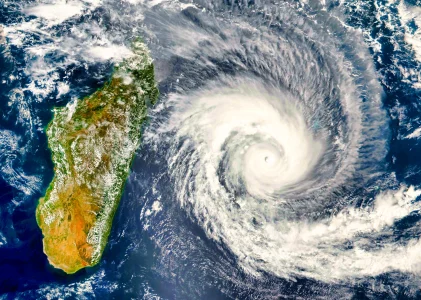
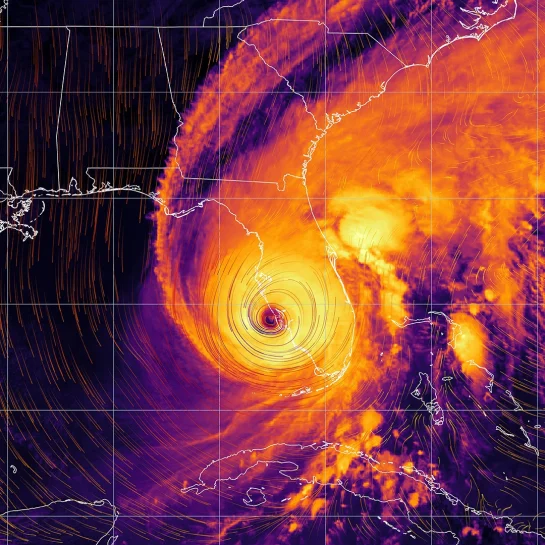
In the fall of 2020, one Fortune 500 energy company in the southeastern U.S. faced an extraordinary challenge: seven back-to-back storms entered its service territory during the busiest Atlantic hurricane season on record.
Five of those storms were hurricanes.
Across 146 days of continuous events, the utility needed to keep more than 1.3 million customers informed about changing conditions, outages and restoration efforts. And because this was happening during the COVID-19 pandemic, reliable communication was more important than ever.
The utility needed a way to communicate at scale while continually adapting messages to customers based on where they lived and how the storms progressed.
Managing communications for one major storm is a significant undertaking. Managing communications across seven consecutive events requires an entirely different level of coordination.
The utility was dealing with:
A single message could not serve every customer throughout every stage of every storm.
As conditions changed, the utility needed to narrow its communications to increasingly specific audiences.
The utility partnered with Convey to use EONS to manage communication throughout the series of storm events. The goal was not simply to send more messages. It was to make those messages more relevant as each storm developed.
Communications could be personalized by location and adjusted over time, allowing the utility to segment audiences based on changing circumstances. As a storm moved through the service territory, the utility could communicate with customers according to the areas affected rather than treating the entire customer base as one audience.
That approach helped the utility maintain more relevant communications throughout an unusually long and complex hurricane season.
Over the course of the 146-day period, the utility used outbound voice calls, SMS/MMS and email to communicate with customers.
The scale was significant:
More than four in five customers received information before and/or after a storm through the utility’s outbound communications.
These numbers demonstrate the scale of the communication effort, but the customer experience was equally important.
Following the events, customers reported that they remembered receiving messages via text more than any other channel.
In post-event surveys, customers described the outage communications as timely, concise and informative.
That feedback provided an important indication that the utility’s communication strategy was reaching customers in ways that were useful during an extended period of disruption.
The utility also earned a Net Promoter Score of +37 after the events, with customers highlighting the utility’s service and outage response.
The 2020 hurricane season required the utility to communicate through an unusually long sequence of events.
Rather than treating each storm as an isolated communication challenge, the utility needed an approach that could support ongoing engagement across changing circumstances and customer segments.
EONS helped the utility manage that complexity by supporting:
The result was a communication strategy designed around the reality of the events rather than a one-size-fits-all approach.
Major storms test every part of a utility’s operations, including its ability to communicate.
When multiple events occur in succession, the challenge becomes even greater. Customer needs change, affected areas shift and communication teams need to continuously adjust their audiences and messages.
For utilities, being prepared means having communication processes that can operate at scale while still allowing for personalization. The experience of this utility shows the importance of combining reach with relevance. Over the course of seven storm events, the utility delivered millions of messages while continuing to segment communications according to location and changing conditions.
In an environment where customers rely on their utility for information during uncertain moments, that ability to stay connected can become an important part of the overall outage experience.
download
Open the full cases study in a new browser tab.
Utilities can use segmented, multichannel communication workflows to maintain outreach across multiple events. This allows communication teams to adjust audiences and messaging as storm conditions change rather than treating every customer and every event the same way.
The utility served more than 1.3 million customers and needed to maintain communications throughout seven back-to-back storm events.
The utility used outbound voice calls, SMS/MMS and email to communicate with customers before and after storms.
The utility sent 13.6 million SMS messages during the 146-day period.
The utility made 4 million automated phone calls during the series of storm events.
Segmented customer journeys allow communications to be tailored to specific groups of customers based on factors such as location and changing event conditions. In this case, the utility used 56 separate segmented journeys to manage communications throughout the storm events.
In post-event surveys, customers recalled receiving messages via text more than any other channel and described the outage communications as timely, concise and informative.
A communication strategy for extended severe weather events needs to account for changing conditions over time. Segmented audiences, multiple communication channels and the ability to personalize messages by location can help utilities maintain relevant customer communications throughout prolonged events.