

Emergency readiness for utilities reimagined for wildfire season
Wildfire season puts utility communications under a microscope When conditions change quickly, customers need timely, reliable information about outages, evacuation…
When a major storm hits, customers need information quickly.
For utilities, that means being able to communicate outage information at scale while customer demand is rising and call centers are already under pressure. During a large-scale event, the ability to reach customers through the channels they prefer can make a meaningful difference in how they experience the outage and restoration process.
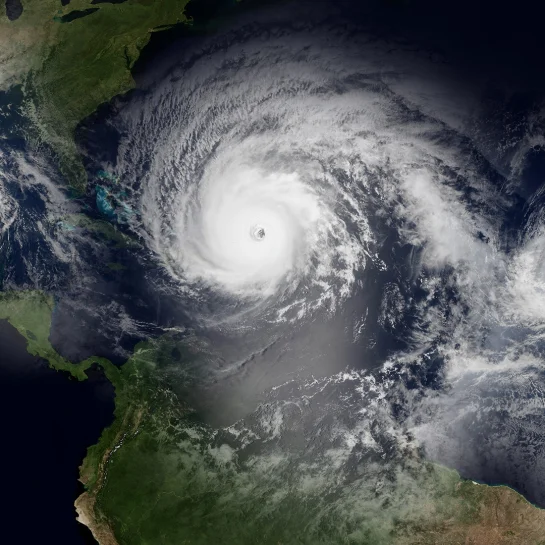
In 2018, Hurricane Florence put that challenge into sharp focus for a leading southeastern utility provider serving approximately 8 million customers.
The utility needed to quickly reach customers with real-time outage information through the communication channel many of them preferred most: SMS.
The challenge had become clear the year before. When Hurricane Irma hit the region, the utility encouraged customers to contact its customer care centers to report power outages and service disruptions. As the storm’s impacts spread, customer outreach surged. Call volumes quickly exceeded the resources available to handle the influx of requests.
Customers were looking for basic information: Was their power outage known? What was happening? When could they expect an update? The experience highlighted an important opportunity. Instead of relying primarily on customers to contact the utility for information, proactive outage communications could give customers updates before they needed to pick up the phone.
Analysis of the utility’s proactive outage communication program found that more than 70% of participating customers preferred SMS over email and voice. As Hurricane Florence approached, the utility needed to be ready to communicate at scale through the channel its customers had demonstrated they preferred.
The utility turned to Convey’s EONS to support its emergency communications.
With the storm approaching, there was little time to spare. In less than 24 hours, Convey migrated the utility’s messaging traffic to a high-throughput SMS gateway while simultaneously deploying its enterprise-grade messaging platform. The rapid deployment gave the utility the infrastructure it needed to communicate with customers throughout the restoration and recovery process.
And the scale of the response was significant.
During restoration and recovery, the utility successfully delivered more than 7 million SMS messages to customers. Those messages helped keep customers informed about outage and restoration activity without requiring them to contact the call center for every update.
For customers affected by a major storm, timely information can help reduce uncertainty. For utility teams, proactive communications can help shift some of the demand away from already-strained customer care resources.
The result was a more direct way to keep customers informed during a critical period.
The utility’s communication needs went beyond simply sending a high volume of texts. Technical capabilities and carrier expertise allowed multi-part SMS messages longer than 160 characters to be converted into single-session communications.
That opened up additional possibilities for the utility’s outage communications, including the ability to include rich media and capture images from customers’ mobile devices. Rather than being limited by traditional SMS constraints, the utility could provide more information within a single communication experience.
The Hurricane Florence response demonstrated the value of understanding how customers want to receive information before an emergency occurs.
The utility had already identified that more than 70% of participants in its proactive outage communication program preferred SMS. That insight allowed the utility to prepare its communication strategy around an established customer preference rather than relying on assumptions during a crisis.
This kind of preparation matters because emergency communications need to work when demand is at its highest.
A strong outage communication strategy can help utilities:
During a major outage, customers may not be able to control when their power is restored. What they can control is how they receive information about what is happening. Timely, proactive updates give customers greater visibility into the restoration process and help establish a more transparent communication experience.
For this southeastern utility, the combination of customer preference data, high-throughput messaging and EONS helped transform outage communications during a critical event.
The impact extended beyond message delivery.
The utility saw:
Together, these outcomes demonstrated how proactive outage communications can support both customers and utility operations during a major storm.
Hurricanes and other major weather events can put enormous pressure on utility operations. Communication infrastructure needs to be ready before the next event arrives.
For utilities, that means understanding customer communication preferences, establishing scalable workflows and having the ability to deliver timely information when conditions change.
Hurricane Florence showed what is possible when outage communications are built to scale.
With Convey, the utility delivered more than 7 million SMS messages during restoration and recovery, helping customers stay informed while reducing pressure on its call centers.
download
Open the full cases study in a new browser tab.
Proactive outage communications give customers information before they need to contact the utility. During major storms, this can help customers stay informed about outages and restoration activity while reducing the need for inbound calls to customer care centers.
SMS provides a direct way for utilities to deliver timely outage and restoration information to customers. In this case, more than 70% of participants in the utility’s proactive outage communication program preferred SMS over email and voice.
Proactive communication can help answer common customer questions before customers need to contact a call center. Providing timely updates about outages and restoration can give customers greater visibility into what is happening and reduce some of the need for inbound status requests.
The utility successfully delivered more than 7 million SMS messages during the restoration and recovery process following Hurricane Florence.
Convey migrated the utility’s messaging traffic to a high-throughput SMS gateway and deployed its enterprise-grade messaging platform in less than 24 hours.
The case study demonstrates that technical and carrier capabilities can support multi-part SMS messages of more than 160 characters as a single-session communication. This allowed the utility to include richer content and support capabilities such as rich media and image capture.
Providing timely and transparent information can give customers greater visibility into outages and restoration progress. In this case, the utility saw increased customer satisfaction scores alongside increased SMS enrollment and reduced inbound call volume.
Understanding how customers prefer to receive information allows utilities to build communication strategies around established customer behavior. For this utility, analysis showed that SMS was the preferred channel for more than 70% of participants in its proactive outage communication program.